
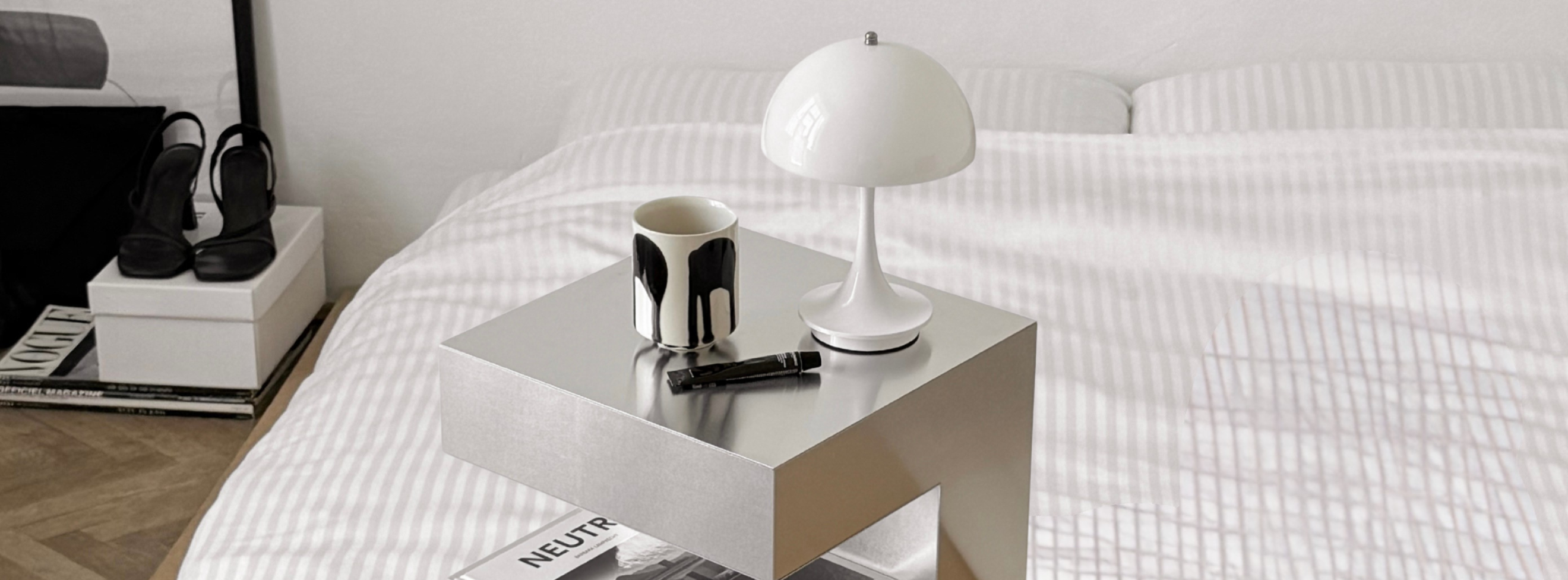
When you browse modern interiors today, especially curated aluminum collections from brands like AlumProject, you start noticing something subtle. The proportions feel lighter. The structures look cleaner. The room breathes a little more.
You don’t notice furniture weight when you’re buying it.
You notice the shape.
The finish.
How it fits into the light of the showroom.
Weight becomes important later.
When you decide to move the table two feet to the left.
When you carry it up three floors.
When you try to turn your dining corner into a workspace.
When humidity quietly starts doing its work.
In small apartments, furniture weight isn’t a technical detail.
It’s part of daily life.
And that’s exactly why lightweight aluminum furniture for small apartments makes more sense today than it did ten years ago.
Small Spaces Change the Rules
Apartments in major US cities are not getting bigger. According to the U.S. Census Bureau, urban housing trends show a steady shift toward more compact layouts in dense metro areas.
Less space changes everything.
A dining table isn’t just for meals.
A console table isn’t decorative — it’s storage.
A coffee table moves depending on how the room is used that day.
Heavy furniture assumes permanence.
Small apartments demand flexibility.
You don’t want to “commit” to a layout every time you set something down.

The Quiet Advantage of Aluminum
Aluminum doesn’t try to impress you with mass.
It doesn’t feel monumental.
It doesn’t dominate a room.
But it performs.
Because of its high strength-to-weight ratio, aluminum stays structurally stable without requiring thick frames or bulky proportions. Unlike untreated steel, it doesn’t rust easily. Unlike solid wood, it doesn’t react dramatically to humidity.
The Aluminum Association explains that aluminum naturally forms a protective oxide layer, which helps prevent corrosion.
That technical detail turns into something simple in real life:
-
You don’t worry about moisture.
-
You don’t see swelling or cracking.
-
You don’t deal with rust stains.
-
You don’t feel like you’re dragging around something immovable.
It just works.
Weight Is Also Visual
There’s a difference between physical weight and visual weight.
Even if a bulky wood table technically fits inside a 700-square-foot apartment, it can make the room feel tighter.
Aluminum allows for slim frames, open lines, and lighter geometry. That means:
-
More visible floor space
-
Cleaner sightlines
-
Better light flow
-
Less visual pressure
In compact interiors, those small shifts change how a room feels.
That’s one reason many modern apartment furniture solutions now lean toward aluminum and engineered lightweight materials.
It’s not about minimalism for trend’s sake.
It’s about breathing room.

Real Life, Not Showroom Life
Picture a one-bedroom in Chicago.
You move the side table next to the window in the morning.
You shift the dining table slightly to open up space for a video call.
At night, you reset everything.
Now picture doing that with a heavy hardwood setup.
Different experience.
Or think about Miami.
Humidity is constant. Coastal air is real. Materials react differently there. The Environmental Protection Agency highlights how material durability and lifecycle matter in climate-specific environments.
Aluminum doesn’t demand attention in those conditions.
That reliability is exactly why companies such as AlumProject focus specifically on aluminum tables and modular designs created for contemporary interiors. Their collections of aluminum coffee tables, side tables, and console tables are engineered to feel stable — without feeling heavy.
Aluminum Compared to Traditional Materials
For small apartments, here’s how materials typically behave:
| Feature | Aluminum | Solid Wood | Steel |
|---|---|---|---|
| Weight | Very light | Medium to heavy | Heavy |
| Humidity response | Stable | Can swell | Needs protection |
| Maintenance | Low | Moderate | Moderate |
| Flexibility in layout | High | Limited | Limited |
| Visual density | Light | Medium–heavy | Heavy |
Wood has warmth.
Steel has industrial strength.
But for compact urban living, aluminum often reduces friction — physically and visually.

Sustainability Isn’t a Marketing Line
It’s also worth mentioning longevity.
The Environmental Protection Agency notes that aluminum is highly recyclable and retains its structural properties even after repeated recycling.
In practical terms:
-
Fewer replacements
-
Longer lifecycle
-
Lower material waste
Durable materials naturally become more sustainable when they last and adapt.
What You’re Really Deciding
Choosing furniture for a small apartment isn’t only about style.
You’re deciding:
-
Can I move this alone?
-
Will it react to climate?
-
Does it visually compress the room?
-
Will it still make sense if I rearrange everything next month?
Material choice quietly answers those questions.
Heavy furniture can feel impressive at first.
But over time, adaptability wins.
And that’s where lightweight aluminum furniture for small apartments proves itself — not in theory, but in everyday use.

A Thoughtful Approach to Modern Living
Urban density isn’t going away. Hybrid work isn’t disappearing. Spaces continue to serve multiple roles.
Furniture has to follow that reality.
Lightweight design isn’t about making something feel temporary.
It’s about removing what isn’t necessary.
Brands like AlumProject build their aluminum table collections around this idea: structural strength without excess mass, clean geometry without heaviness, and materials that align with modern architecture.
If you’re redesigning a compact interior or simply looking for a more adaptable setup, exploring aluminum tables can be a practical next step. You can browse current collections, choose a piece that fits your layout, and order it directly through AlumProject when it feels right for your space.
Sometimes better design isn’t heavier.
It’s smarter.
FAQ
Is lightweight aluminum furniture strong enough?
Yes. Aluminum offers high structural performance relative to its weight and resists corrosion, making it reliable for daily use.
Why is aluminum good for small apartments?
Because it allows easy rearrangement, reduces visual heaviness, and adapts better to compact layouts.
Does aluminum furniture rust in humid cities?
No. Aluminum naturally forms a protective layer that helps prevent corrosion.
Is aluminum sustainable?
Yes. It is highly recyclable and can maintain its structural integrity even after multiple recycling cycles.
Share:
How Aluminum Stands and Accent Tables Elevate Modern Interiors
The Role of Lightweight Materials in Contemporary Furniture Design