
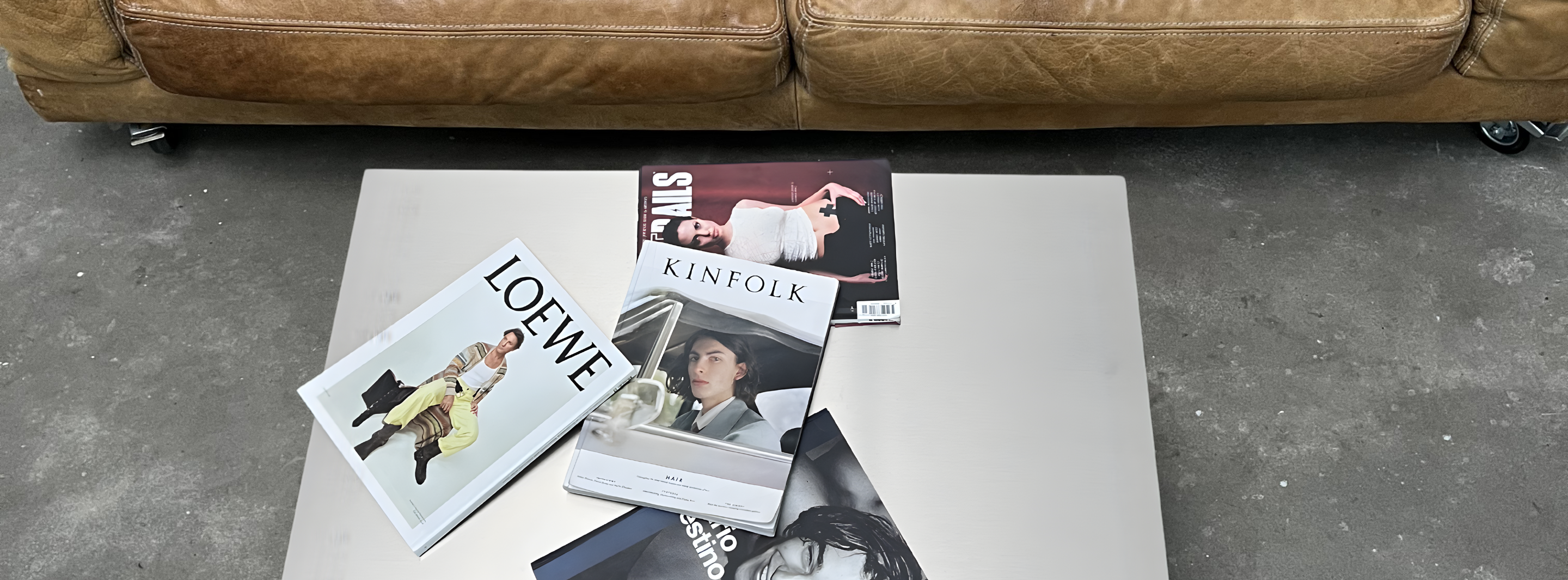
Modern interiors evolve through subtle decisions — the materials chosen, the proportions refined, the weight of each piece reconsidered.
In recent years, aluminum has become one of those quiet decisions. Not as an industrial accent. Not as a design trend. But as a material that brings clarity, structure, and lightness into contemporary spaces.
Aluminum stands and accent tables don’t overwhelm a room. They shape it — with precision, balance, and intention.

Why Aluminum Stands Work Better Than Bulky Alternatives
Designers know this frustration well: you need height in a room, but the moment you introduce a pedestal or stand, the space feels heavier.
Solid wood can look grounded — sometimes too grounded. Dense materials absorb light.
Aluminum stands behave differently.
They feel almost drawn into the space rather than placed in it. Slim lines. Clean geometry. No unnecessary mass.
Aluminum’s strength-to-weight ratio allows thinner structures without compromising stability. That’s not just a technical detail — it’s what makes aluminum furniture feel intentional rather than intrusive.
At ALUMproject, this approach defines the design process. Proportion comes first. Structure is visible but restrained. The result isn’t decorative — it’s architectural.
The Functional Role of Accent Tables in a Modern Interior
Accent tables are often underestimated. Remove them from a room and suddenly everything feels slightly off. You notice the absence of balance more than the object itself.
An aluminum accent table doesn’t compete for attention. It supports the composition. It reflects light softly instead of absorbing it. It creates just enough contrast against textiles, wood, or stone.
In a true modern interior, openness is part of the design language. Aluminum works with that openness rather than against it.
This is why accent tables made from aluminum are increasingly used in minimalist living rooms, contemporary bedrooms, and even modern office spaces. They define areas without enclosing them.

Aluminum Furniture and Minimalist Decor: A Natural Alignment
Minimalist decor isn’t about owning less. It’s about eliminating visual noise.
Aluminum furniture fits that philosophy because it’s honest. The structure is visible. The form is clear. There’s no ornament added to disguise weak proportion.
Good metal furniture design feels resolved. Balanced. Calm.
When aluminum is paired with oak floors, natural linen, textured stone, or warm lighting, it doesn’t feel cold. It feels precise.
That precision is often what makes a space feel elevated.
Why Modern Side Stands Matter More Than You Think
A modern side stand may seem secondary in a showroom. In a real home, it changes everything.
Place one beside a sectional sofa and the seating area suddenly feels anchored. Slide it under a window and the vertical rhythm improves. Use it in a narrow hallway and the space gains function without losing flow.
Slim aluminum stands are particularly effective in compact layouts. They provide surface without mass.
In cities across the United States and Europe, where compact furniture solutions are no longer optional, that matters.

The Practical Side of Aluminum Furniture
Beyond aesthetics, aluminum simply performs well.
⌑ It resists corrosion.
⌑ It doesn’t warp.
⌑ It’s lightweight enough to reposition easily.
⌑ It holds its shape over time.
These qualities are especially relevant in coastal areas of the United States and in humid regions of Europe, where material stability becomes part of daily life.
Aluminum furniture isn’t high-maintenance. It doesn’t demand attention. It quietly does its job.
Choosing Aluminum Stands and Accent Tables with Intention
Not every aluminum piece works in every room.
The key variables are simple:
⌑ Height should align naturally with surrounding seating.
⌑ Scale must respect the size of the space.
⌑ Finish should complement — not overpower — existing materials.
Brushed aluminum tends to feel softer and more architectural. Powder-coated finishes can add subtle depth without introducing visual weight.
Consistency across aluminum stands, accent tables, and wall-mounted shelves can unify a modern interior without making it feel staged.
Aluminum has quietly become one of the most practical choices for contemporary living in the US. It offers durability without bulk, structure without visual weight, and flexibility without compromise.

At AlumProject, we build collections around this exact principle — thoughtful aluminum furniture designed to integrate into modern spaces rather than dominate them.
If you’d like to see how lightweight construction translates into real proportions and clean architectural lines, explore the current collections on the AlumProject website.
Sometimes the smartest upgrade isn’t bigger.
It’s lighter.
Share:
Why Lightweight Aluminum Furniture Feels Right in Small Apartments
Custom Aluminum Tables: What You Need to Know Before Ordering