
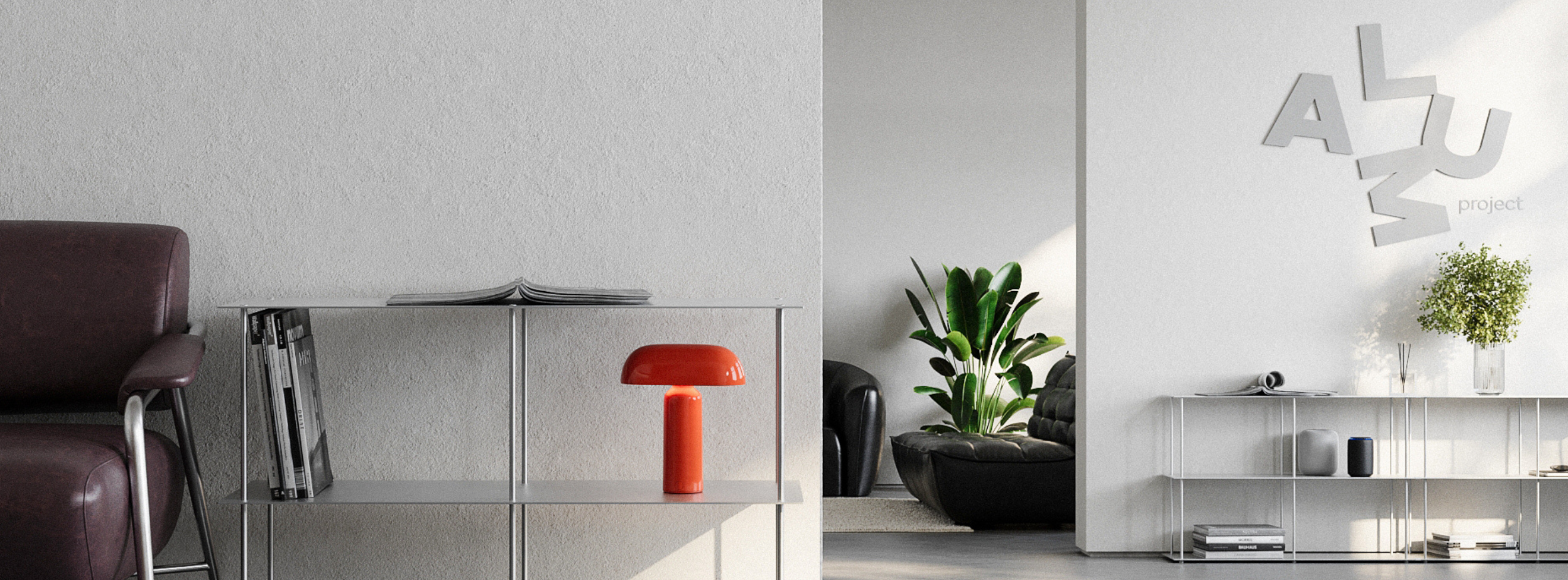
Aluminum stands and accent tables elevate modern interiors by adding structure without visual heaviness. Modern interiors evolve through subtle decisions — the materials chosen, the proportions refined, the weight of each piece reconsidered.
Over the past few years, aluminum has quietly become one of those decisions. Not as an industrial accent. Not as a trend. But as a material that brings clarity, structure, and lightness into contemporary spaces across the United States and Europe.
Aluminum stands and accent tables don’t overwhelm a room. They shape it — with precision and intention.

Why Aluminum Stands Work Better Than Bulky Alternatives
One of the biggest challenges in modern interior design is adding vertical structure without making the room feel crowded.
Solid wood pedestals can feel grounded — sometimes too grounded. Thick bases interrupt sightlines. Dense materials absorb light and visually shrink a space.
Aluminum stands behave differently.
They feel integrated rather than imposed. Slim lines. Clean geometry. No unnecessary mass.
Because aluminum has a high strength-to-weight ratio, it allows:
⌑ thinner structural frames
⌑ cleaner edges
⌑ reduced visual bulk
⌑ strong load capacity despite minimal thickness
In apartments throughout the United States and Europe — especially in open-plan living rooms — even a few centimeters of excess mass can change the perception of space. Aluminum furniture preserves that openness.
At ALUMproject, this principle defines the design philosophy. Every aluminum stand is developed around proportion, balance, and long-term durability — not decoration for its own sake.
The Functional Role of Accent Tables in a Modern Interior
Accent tables are often underestimated. Remove them from a room, and the imbalance becomes obvious.
A well-placed accent table:
⌑ defines seating zones
⌑ anchors a sectional or lounge chair
⌑ supports lighting and daily-use objects
⌑ introduces material contrast
An aluminum accent table is especially effective in a modern interior because it maintains sightlines. Unlike darker woods or stone, aluminum subtly reflects light, helping rooms feel brighter without glare.
In contemporary layouts — from minimalist apartments to modern home offices — aluminum accent tables provide function without visual interruption.
Aluminum Furniture and Minimalist Decor: Why the Pairing Works
Minimalist decor isn’t about emptiness. It’s about removing visual noise. Aluminum furniture aligns naturally with that goal. The structure is visible. The geometry is honest. There is no ornamental excess.
Strong metal furniture design focuses on:
⌑ proportion
⌑ balance
⌑ structural clarity
⌑ long-term durability
When paired with oak flooring, linen upholstery, textured stone, or warm LED lighting, aluminum does not feel cold. It feels intentional.

Aluminum Accent Table vs Wood: Which Works Better in Compact Spaces?
For many homeowners in the United States and Europe, the decision often comes down to space efficiency.
Feature Aluminum Accent Table Solid Wood Table
| Feature | Aluminum Accent Table | Solid Wood Table |
|---|---|---|
| Visual Weight | Light | Medium to Heavy |
| Maintenance | Low | Moderate |
| Humidity Resistance | High | Variable |
| Suitability for Compact Furniture | Excellent | Moderate |
| Longevity | High | Good |
Wood adds warmth. Aluminum adds clarity. The best interiors often combine both strategically.
Why Modern Side Stands Matter in Small and Open-Plan Layouts
A modern side stand may seem secondary, but it directly influences spatial balance.
Slim aluminum stands are ideal for:
⌑ beside sectional sofas
⌑ under windows
⌑ narrow entryways
⌑ studio apartments
⌑ layered corner styling
Because aluminum allows thinner profiles without sacrificing structural stability, it becomes an ideal material for compact furniture design — especially in urban environments.
The Practical Advantages of Aluminum Furniture
Beyond aesthetics, aluminum simply performs.
▹ It resists corrosion.
▹ It does not warp or crack.
▹ It is lightweight yet strong.
▹ It requires minimal maintenance.
These characteristics make aluminum furniture particularly suitable for coastal regions in the United States and humid climates across Europe.

How to Choose Aluminum Stands and Accent Tables
When selecting aluminum stands or accent tables, focus on these core factors:
Height alignment
The tabletop should align with sofa arms or sit slightly lower for ergonomic comfort.
Finish
Brushed aluminum feels architectural and refined. Powder-coated finishes offer additional color flexibility and scratch resistance.
Scale
Choose proportions that respect the size of your room. Oversized tops can visually dominate smaller interiors.
Purpose
Determine whether the piece is decorative, structural, or daily-use.
Consistency across aluminum stands, accent tables, and wall-mounted shelves can unify a modern interior without making it feel staged.
Aluminum stands and accent tables are not statement pieces in the traditional sense. They don’t demand attention. They refine it.

If you’re considering adding aluminum furniture to your space, take a closer look at the ALUMproject collections. You’ll find thoughtfully crafted aluminum tables, wall-mounted shelves, and refined modern stands created to complement contemporary interiors.
In many cases, the right aluminum piece doesn’t dramatically change a room.
It simply makes everything feel clearer.
Share:
3 Reasons to Choose Aluminum Shelving for a Minimalist Interior
Why Lightweight Aluminum Furniture Feels Right in Small Apartments